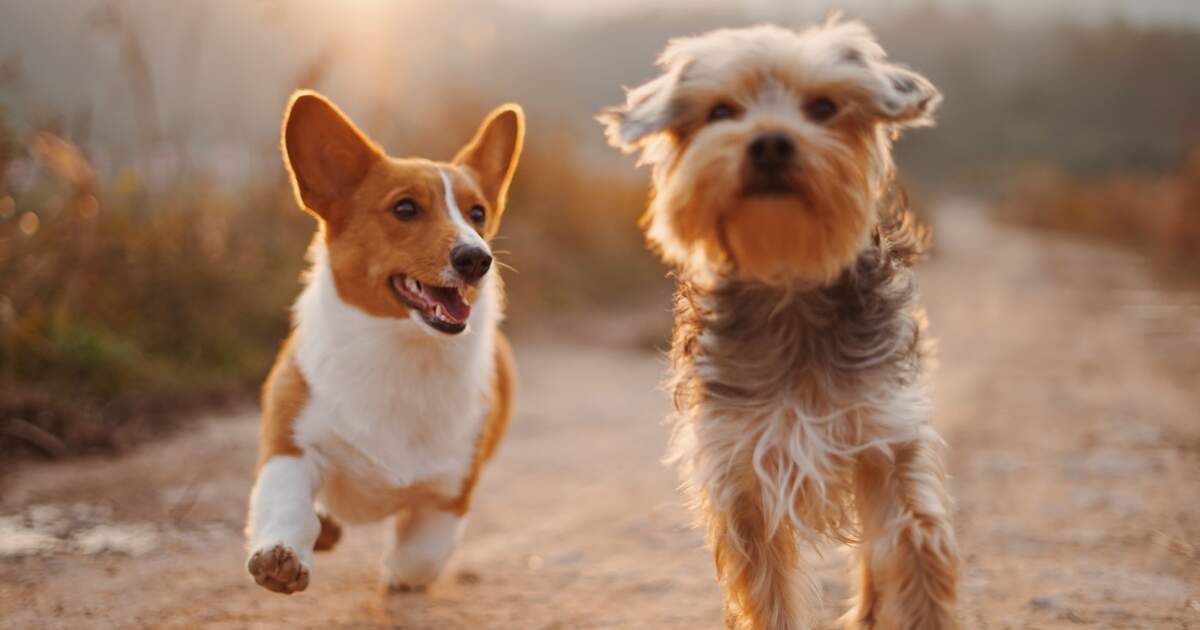
Most playdate disasters are preventable. Not because dog behavior is unpredictable, but because the setup was wrong from the start — wrong location, wrong energy match, wrong introduction. The dogs didn't fail. The humans skipped five minutes of planning.
Here's what that five minutes looks like.
Before You Confirm the Meetup
Check vaccination status before anything else. Both dogs should be up to date on rabies, DHPP, and Bordetella, especially if you're meeting anywhere a lot of dogs pass through. It's not an awkward question — every responsible dog owner expects it.
Ask directly whether either dog has resource-guarding tendencies. A dog who guards food, toys, or space with humans needs a carefully managed introduction, not a casual first playdate in an unfamiliar yard. Most owners will tell you honestly if you ask. If they deflect, that's information too.
Think about the energy match. A 90-pound adolescent Lab and a 12-pound Chihuahua can work, but it's not the easiest first pairing. The first meetup should be set up to go well — save the challenging combinations for after both dogs know each other.
Picking the Right Location
A securely fenced private yard is the best option for a first meetup. Failing that, a quiet section of a dog park during off-peak hours, or a fenced dog run. The goal is containment and low distraction.
Avoid your living room for first introductions. Territorial behavior is more likely indoors, and the lack of running space keeps conflict closer. Avoid anywhere with free food on the ground, busy dog parks where overstimulation builds fast, and anywhere the dogs can't safely disengage from each other.
The Introduction Itself
The most common mistake is letting dogs rush straight at each other from across the yard. Instead, start parallel — walk both dogs side-by-side about ten feet apart for a few minutes before they meet. It sounds small, but it changes the energy of the entire introduction.
When they do approach, let them do it naturally. Don't pull leashes tight or hold them up close to your body — tension travels down the leash and the dog feels it. Give them enough lead to move naturally and watch what happens in the first 30 seconds. Sniffing, play bows, and loose wiggly bodies are all good signs. Stiff posture, hard stares, or raised hackles mean you slow down and give them more space.
During the Playdate
Keep fresh water available for both dogs, remove food bowls and high-value toys from the space, and take a short break every 20 minutes or so. Over-arousal builds gradually — a five-minute sit-down prevents it from tipping into conflict. End on a positive note before either dog shows signs of fatigue or irritability.
The best playdates end with both dogs relaxed and the owners already texting each other to set up the next one.
Signs to Watch
Green lights: play bows, loose wiggly body, taking turns chasing, breaking off and coming back. Slow down signals: prolonged freeze, hard stare, whale eye (whites of the eyes showing), excessive mounting. Stop immediately: hard bite, one dog pinning the other, guarding behavior, growling without any play context.
Ready to book your dog's next playdate? Find compatible dogs near you on PawDate.